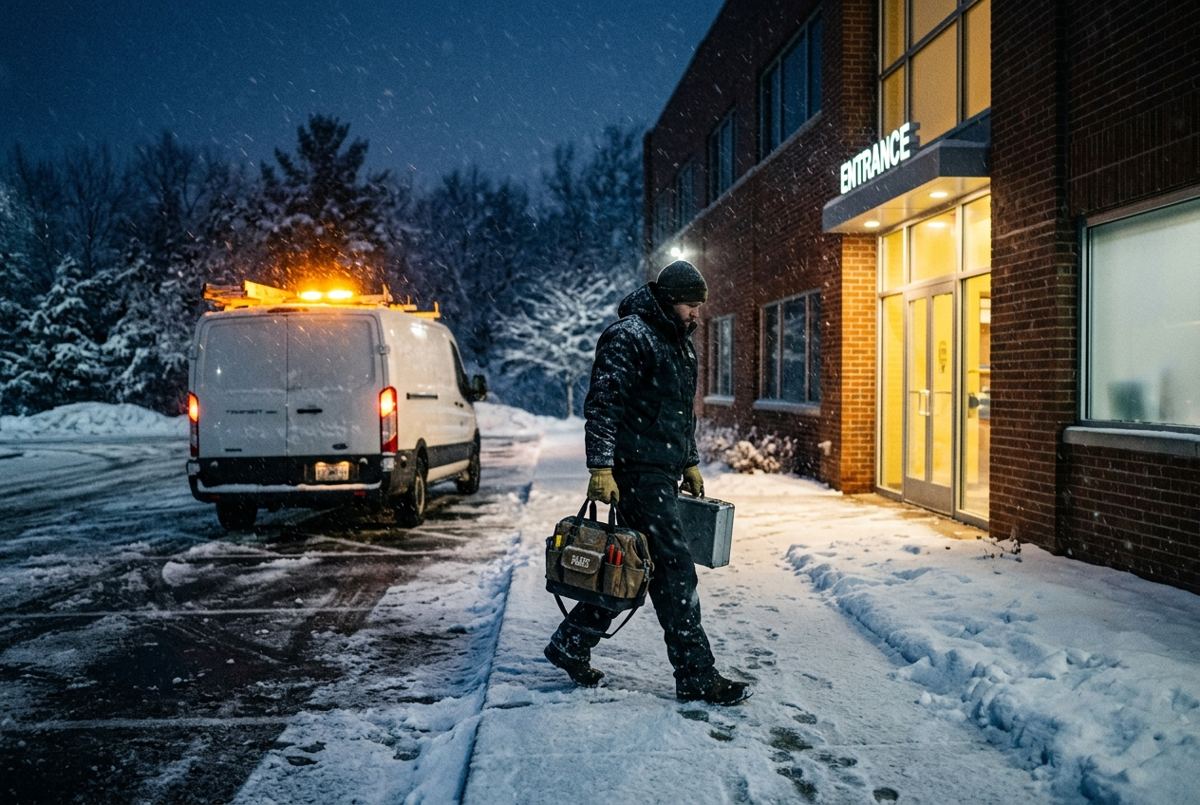
When a commercial building loses heat at 2 a.m. in January, the first 60 minutes matter most. In Southeast Wisconsin, where outdoor temperatures can sit below zero for days, a heating failure can quickly turn into frozen pipes, damaged inventory, halted production, or an unsafe environment for occupants.
At BREDAN Mechanical Systems, our 24/7 service team responds to no-heat emergencies across Waukesha, Milwaukee, and the surrounding counties every winter. The facilities that recover fastest all have one thing in common: a plan written down before the emergency happens.
Step 1: Confirm the Scope
The first question is simple: is the whole building cold, or just one area?
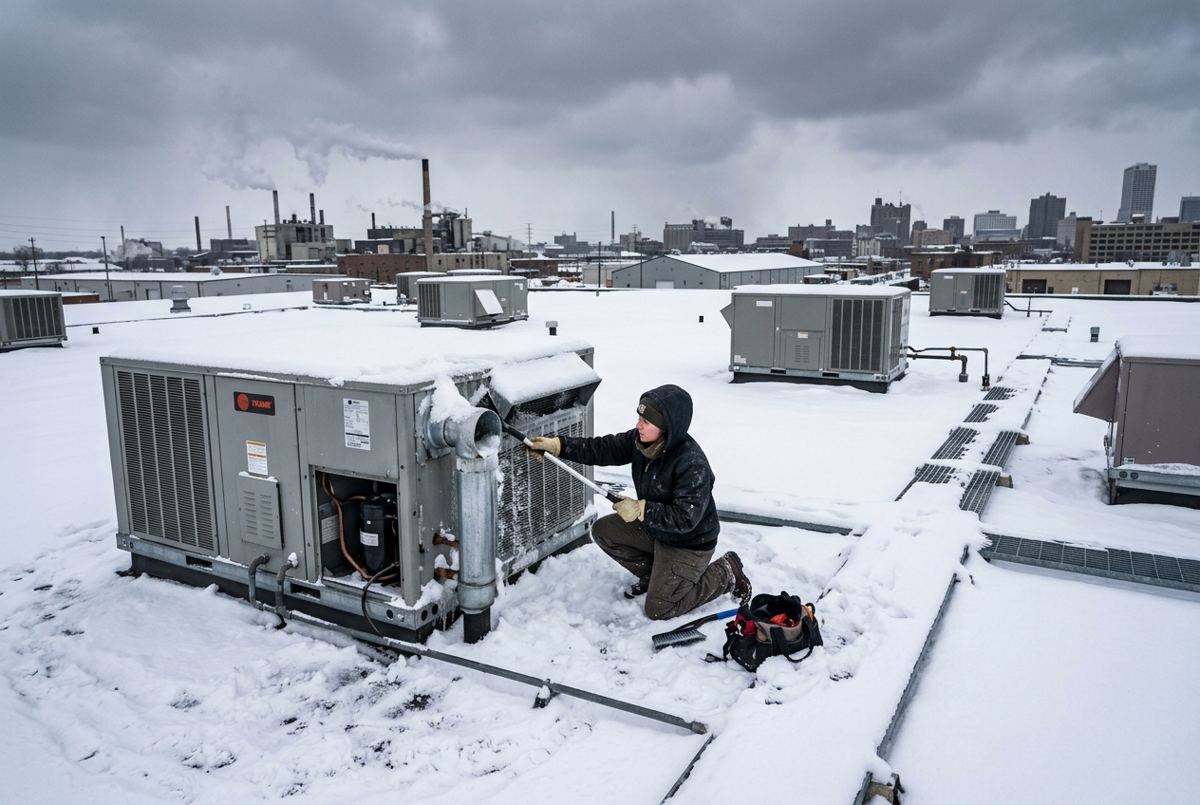
- One zone or unit usually points to a single rooftop unit, VAV box, unit heater, or control issue
- The entire building often indicates a boiler plant, gas supply, electrical, or central control failure
- Multiple buildings on a campus may suggest a utility outage or a central plant problem
Step 2: Check the Building Automation System
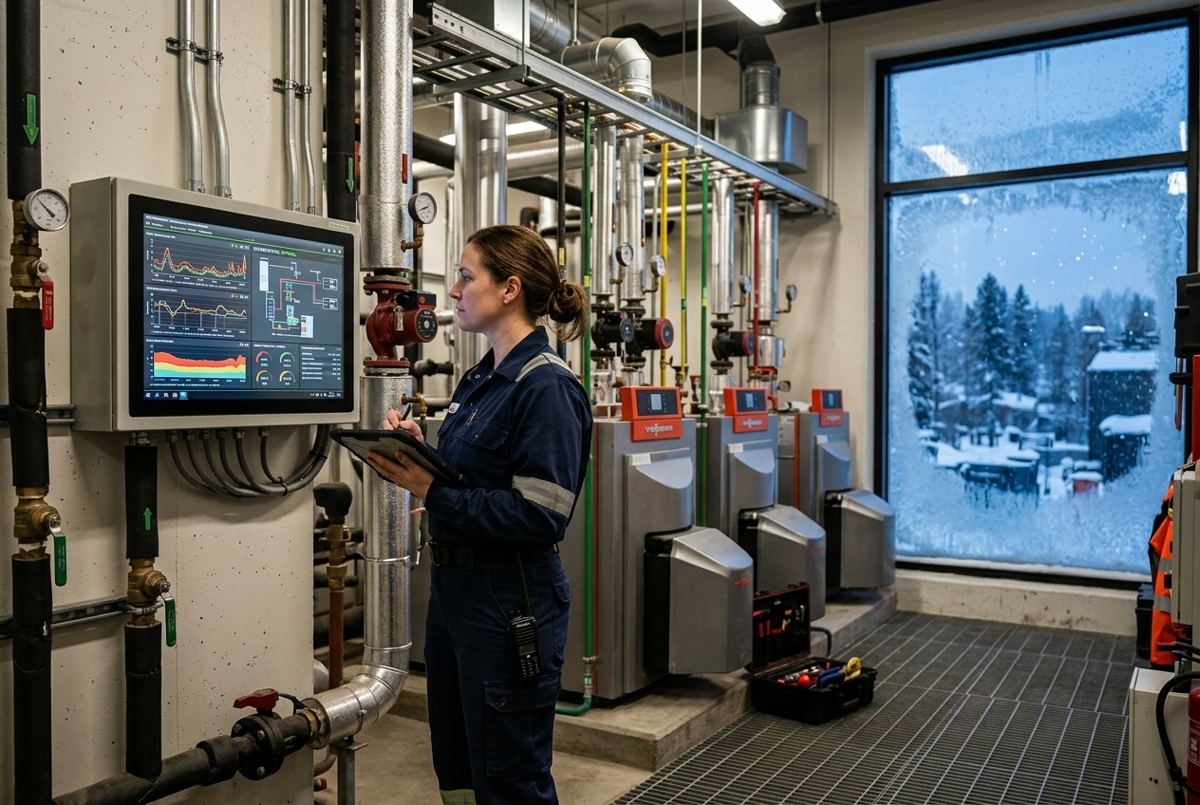
If your facility has a BAS, it is your fastest diagnostic tool. Look for:
- Active alarms on boilers, pumps, rooftop units, or air handlers
- Supply water or discharge air temperatures well below setpoint
- Equipment commanded on but showing no status
- Schedules or overrides that may have been changed
Screenshots of active alarms are extremely helpful for the service technician who responds.
Step 3: Verify the Basics
Gas Supply
Confirm gas service to the building and check that manual gas valves at equipment are open. If you smell gas, evacuate and call the utility immediately.
Power
Check for tripped breakers, blown fuses, or disconnects that have been switched off at heating equipment.
Safety Lockouts
Many boilers and furnaces lock out after repeated failed ignition attempts. Avoid resetting lockouts over and over – repeated resets can mask a real safety issue and flood a combustion chamber with unburned fuel.
Step 4: Protect the Building While You Wait
- Close exterior doors, dock doors, and outdoor air dampers where possible
- Open cabinet doors under sinks on exterior walls to allow warm air in
- Move temporary heaters only to areas where they can be used safely
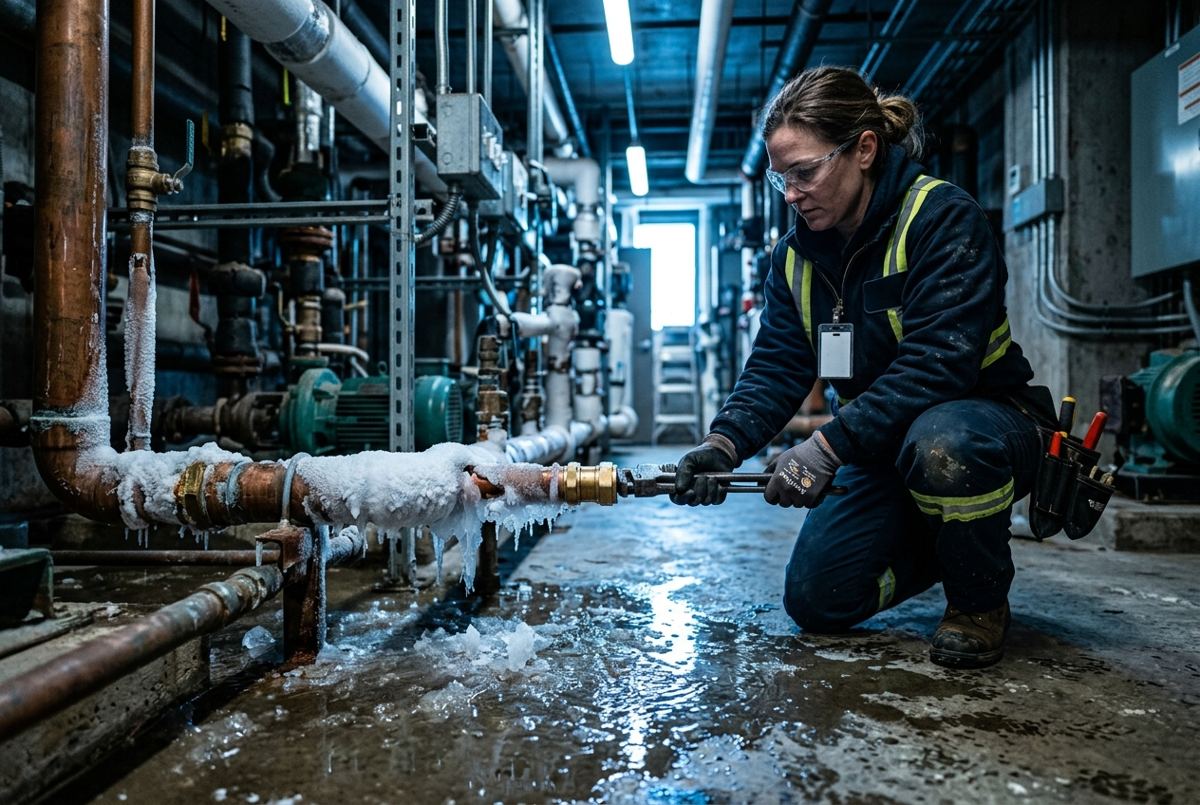
- Identify the main water shutoff in case a pipe freezes and breaks
Step 5: Call Your Mechanical Contractor With Details
The information you provide on the first call speeds up the repair. Have ready:
- The building address and the specific equipment affected
- Equipment make, model, and serial number if available
- Alarm codes and BAS readings
- When the problem started and anything that changed recently
Build Your Plan Before Winter
A no-heat response plan should include an equipment list with locations, shutoff valve maps, after-hours contacts, and your service contractor's emergency number. Facilities with a preventive maintenance agreement also benefit from priority response, since technicians already know the equipment.
24/7 Emergency Heating Service in Southeast Wisconsin
BREDAN Mechanical Systems provides around-the-clock emergency HVAC and boiler service for commercial and industrial facilities throughout Waukesha, Milwaukee, Kenosha, Racine, Washington, Ozaukee, and Jefferson counties. Contact us to set up a preventive maintenance agreement and put a no-heat plan in place before the next cold snap.